
Two advisory seats open this quarter

Private advisory
for companies
past the $50M mark.

Some companies do not need another agency. They need an outside operator in the room. Someone who has built and exited the kind of business they are trying to scale, who can read an account, a P&L and an org chart in the same hour, and who will say the thing nobody else in the room is willing to say.

That is the work I take on personally. A small number of engagements per year. Direct relationship with the founder, CEO or CMO. No analysts, no junior consultants, no slide factory.

Lazar Žepinić
Lazar Žepinić
Before you read further

This work is built for a specific kind of company.

The right fit

  • Companies past $50M in annual revenue, or on track to get there inside 12 months.
  • A founder, CEO or CMO who wants direct, unfiltered judgement - not consensus.
  • Existing internal team or agency stack that needs an operator above it, not next to it.
  • Real decisions on the table: channel reallocation, in-housing, agency rosters, international expansion, board-stage growth modelling.
  • Willingness to make a decision faster than the timeline would allow with a traditional consultancy.

The wrong fit

  • Companies under $20M looking for fractional CMO coverage. Scale Bros agency work is the better path.
  • Anyone hoping for a 60-slide deck and a roadmap that lives in a folder.
  • Organisations where the work needs to be sold internally to a committee before anything can move.
  • Founders looking for validation. I will tell you what I actually think, including when the answer is uncomfortable.
Where the work lives

The five rooms I am most often called into.

Every engagement is shaped around the specific question on the table. Across the last decade, the work tends to cluster around the same five areas.

01

Channel strategy across paid, marketplace and organic

Which channels actually drive incremental revenue, which channels are claiming credit they did not earn, and where the next $5M of growth comes from. Built on real attribution work, not last-click reports.
02

In-housing vs agency vs hybrid

When to build a team, when to outsource, and what the actual cost of each option is over 24 months. Most companies get this wrong in both directions - in-housing too early or staying in agency dependency for years past the right exit point.

03

Agency roster rationalisation

When you have three to five agencies, the bottleneck is usually not any one of them. It is the absence of an operator above them setting strategy, calling shots and adjudicating credit. I take that seat for a quarter or two while we rebuild the structure or consolidate vendors.

04

International expansion strategy

Which markets actually have the unit economics to work, which ones are vanity flags, sequence of entry, fulfillment and tax structure, local team builds. Drawn from operating across 12+ European markets and 14+ Amazon marketplaces directly.

05

Board-ready growth modelling

A single source-of-truth model that boards, investors and the CFO can all believe. CAC by channel, payback by cohort, LTV by segment, contribution margin by SKU. Not a forecast - a decision tool.

Engagement formats

Three ways the work usually gets structured.

Every engagement starts with a 60 minute fit call. If we both want to move forward, the scope and format are agreed before anything is signed.

Most common

Strategic Sprint

4 - 6 weeks, fixed scope

One concrete question, one defined output. Channel audit and reallocation plan, agency roster review, in-housing decision, market entry recommendation. Daily access for the duration, two working sessions per week, a single decision memo at the end.

From the high five figures

By referral only

Operating Seat

12 months minimum

Fractional CMO or operating partner. Real seat in the leadership team. Equity component standard. One open at a time. This format is filled through referrals from previous engagements and is rarely available.

Retainer plus equity, by conversation

I do not discount fees. The work is priced so that one well-made decision pays for the engagement many times over - and so that the math gives me room to say uncomfortable things without worrying about the next invoice.

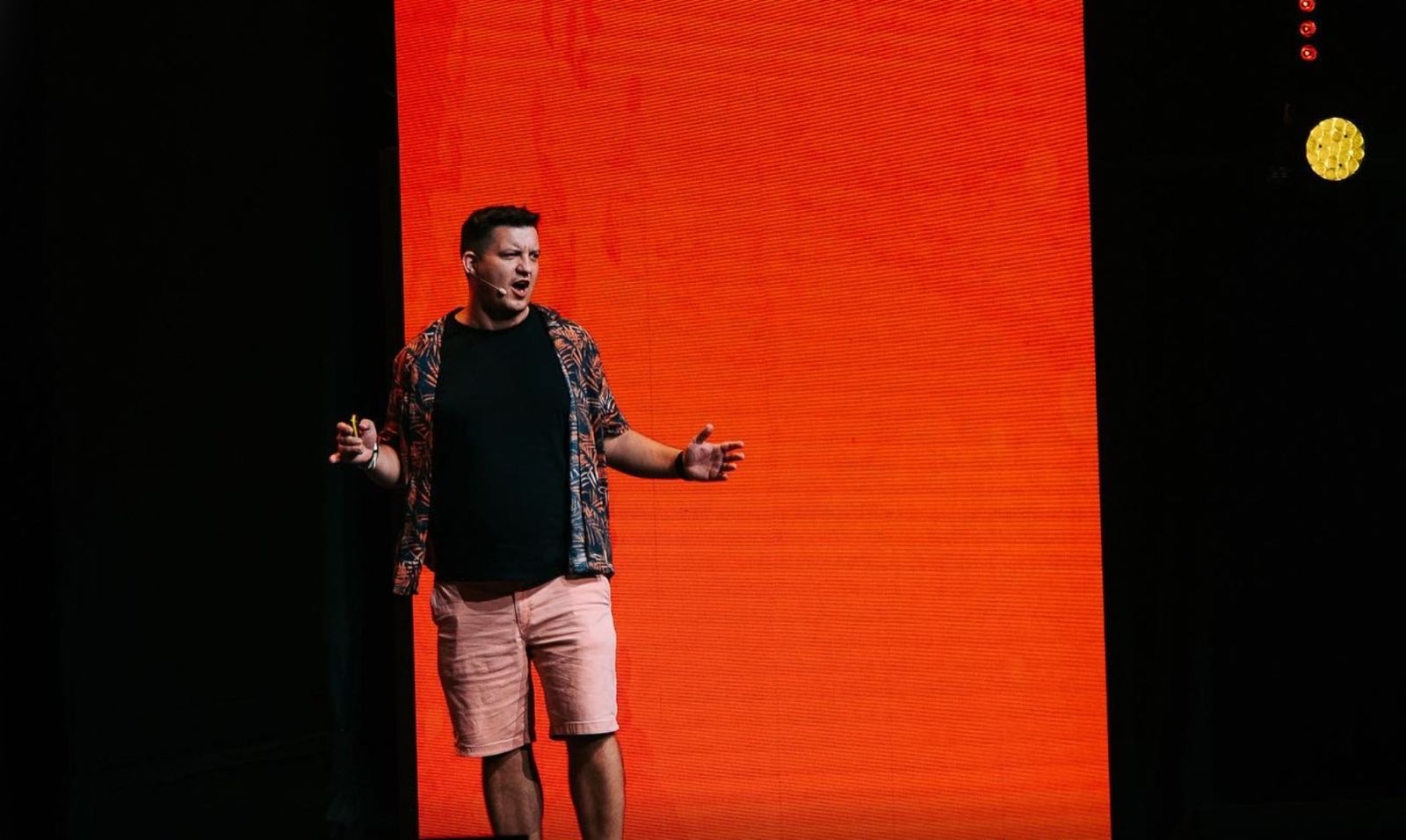
Lazar speaking on stage
What clients actually say
We had three agencies running in parallel, an internal growth team, and nobody could tell us which channel was actually driving incremental revenue. Six weeks in, we had a real attribution model, a 38% lower agency spend, and one clear owner for the strategy. The decision he forced us into in the first month paid for the whole engagement before we got to the end of it.

VP Growth, $120M+ DTC brand

How it starts

From first message to signed engagement.

01

Inquiry

You apply through the form below with a short note about the business, the revenue stage, and the specific question on the table.

02

60 minute fit call

I read whatever public information exists about the business beforehand. The call is a working session, not a sales pitch. We both decide if the work is the right shape.

03

Scope proposal

Inside 72 hours after the call: a single page outlining format, cadence, deliverable and fee. No 40-page proposal documents.

04

Engagement starts

Most engagements begin within 10 business days of the proposal being accepted. The first 7 days are always diagnostic - reading the accounts, the data, the org, the room.

Apply

Two advisory seats are open this quarter.

If the work above sounds like the shape of what you need, send a short note through the form. I read every application personally and reply inside one business day - either with a calendar link or a candid answer on why this is not the right room for the question.

Apply for an advisory seat ->

Replies come from lazar@scalebros.com directly.